

Most “electrolyte” advice is either useless (“drink more water”) or weirdly confident (“you need exactly 1,000 mg sodium per hour”).
The truth is simpler: for runners, sodium is usually the electrolyte that matters most because it’s the main mineral you lose in sweat in meaningful amounts. The right amount depends on how much you sweat, how salty your sweat is, the heat, and how long you’re out there.
This post gives you a practical framework you can actually use, without pretending there’s one perfect number for everyone.
Table of contents
- Why sodium matters (and why “electrolytes” is too vague)
- The two variables that drive your sodium needs
- A simple way to estimate your sweat loss
- How to build a sodium plan that isn’t complicated
- Common scenarios (and simple fixes)
- Where pickle juice fits into all of this
- FAQ
Why sodium matters (and why “electrolytes” is too vague)
Electrolytes are a group. But in real-world endurance training, “electrolytes” usually means “sodium,” because:
- You lose a lot of sodium in sweat relative to other minerals.
- Sodium helps you retain fluid and maintain normal fluid balance during heavy sweating.
- When people feel “hydrated but off,” sodium is often the missing piece, not potassium vibes.
Potassium and magnesium matter for normal body function, but for most runners during a long, sweaty effort, sodium is the lever you can actually pull without overthinking it.
The two variables that drive your sodium needs
There are only two inputs that matter:
- How much you sweat (volume)
- How salty your sweat is (concentration)
Put differently: if you barely sweat, you probably don’t need to slam sodium. If you sweat a lot and leave salt stains on your kit, you might need more.
A simple way to estimate your sweat loss
You don’t need a lab test to get close.
Step 1: Do a “one hour” weigh-in test
- Weigh yourself before a run (no clothes or consistent clothes).
- Run for ~60 minutes at a normal effort.
- Track what you drink during the run (in ounces or mL).
- Weigh yourself after (same clothing situation as before).
Step 2: Estimate sweat loss
Sweat loss ≈ (pre-weight − post-weight) + fluid consumed
You don’t need to be perfect. You’re trying to learn if you’re a “light sweater” or “human sprinkler,” and how that changes in heat.
Note: If you peed mid-run, the math gets messy. For your first pass, pick a 60-minute run where you don’t need to pee.
How to build a sodium plan that isn’t complicated
Once you know your sweat loss trend, your sodium plan becomes basic:
- For shorter runs in cool weather, you can often get away with water and normal meals.
- For longer runs, hot runs, or heavy sweaters, you usually want some sodium during (and not just at the end).
Start with a simple rule
Long/hot run: have a sodium source you can tolerate, and use it consistently.
That can be a drink mix, salt caps, salty foods, or a small shot format. What matters most is: you can actually take it while running and it doesn’t wreck your stomach.
Adjust based on feedback (keep it simple)
- If you consistently feel wiped out after long/hot runs and water alone doesn’t help, try adding some sodium during the run.
- If you feel sloshy/bloated from lots of fluid, consider spreading drinks out and pairing fluids with some sodium rather than just drinking more water.
- If something upsets your stomach, switch formats (drink mix vs caps vs small-dose options). The best plan is the one you can repeat.
Common scenarios (and simple fixes)
Scenario 1: Long/hot runs with only plain water
Water is necessary. If you’re sweating heavily for a long time, adding some sodium can help you stay on top of fluid balance instead of just chasing thirst with more water.
Scenario 2: “Electrolytes” that don’t include much sodium
Potassium and magnesium matter, but if you’re troubleshooting endurance hydration, sodium is usually the first lever to get right.
Scenario 3: Looking for one perfect mg/hour number
Sweat rate and sweat sodium vary a lot person to person. A repeatable plan you can adjust beats a rigid rule.
Scenario 4: Only thinking about hydration after the run
Post-run replenishment is great. For longer efforts, having a simple “during” plan usually works better than trying to fix it all after.
Where pickle juice fits into all of this
Pickle juice sits in a slightly different lane than most electrolyte drinks.
- Acute cramps: there’s evidence pickle juice can shorten cramp duration quickly in some settings, likely via a reflex pathway, not because electrolytes instantly hit your bloodstream. If you want that breakdown, read: Does Pickle Juice Help Muscle Cramps? What The Science Says.
- Hydration support: sodium still matters over time. A concentrated format can be a convenient way to add sodium without chugging a big drink mid-effort.
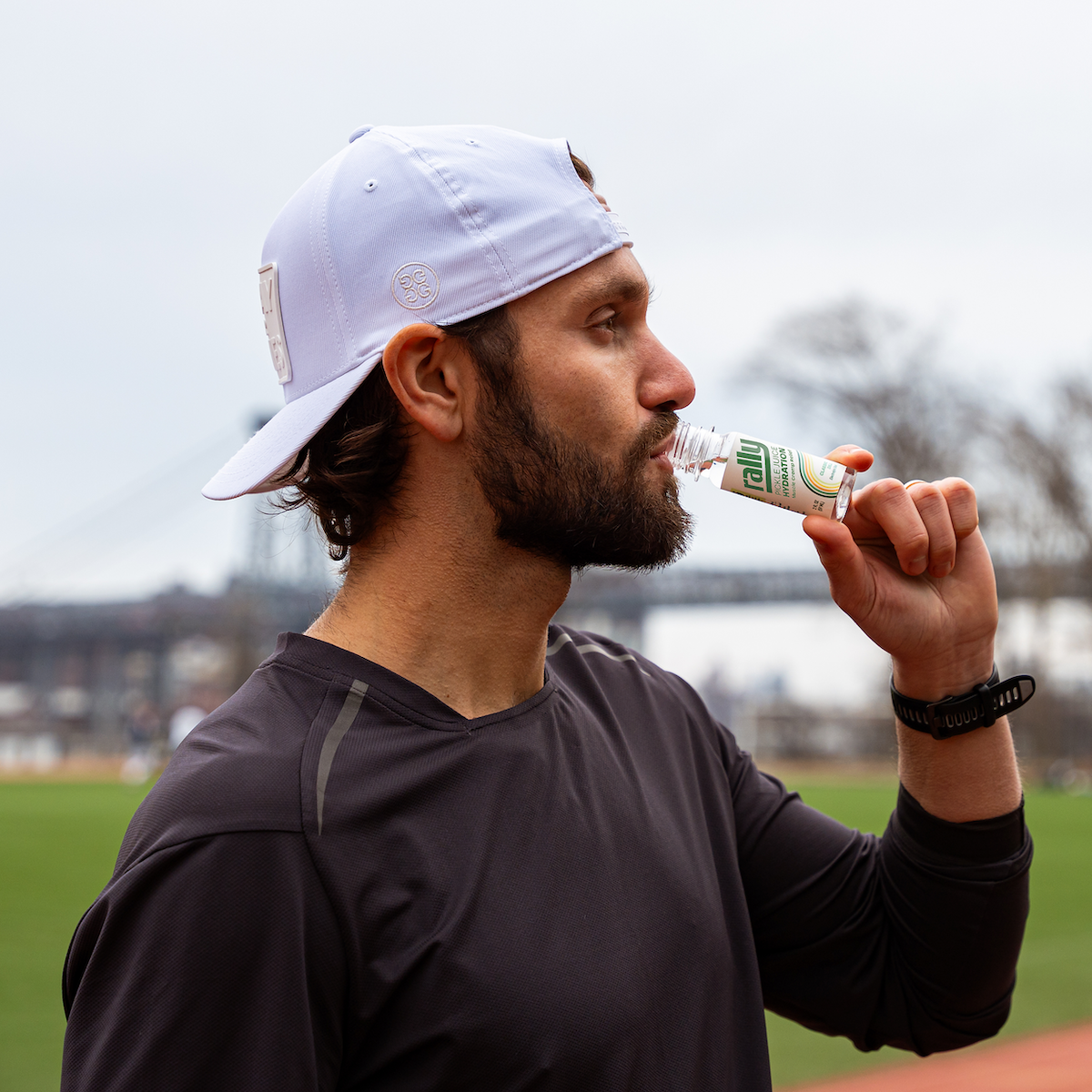
Rally is a measured 2oz shot with:
- 400 mg sodium
- 250 mg potassium
- 47 mg magnesium
- plus zinc + B vitamins and 1g added sugar
Two quick notes so expectations are set correctly:
- A 2oz shot is a convenient electrolyte dose, but you’ll still want fluids alongside it on longer efforts.
- For longer or hotter runs, your sodium needs can scale with sweat loss, so some people will use more than one serving across the session.
If you want the mechanism breakdown behind “why it can work fast,” it’s here: The Science.
If you want the product page: Shop Rally.
FAQ
Do I need electrolytes for every run?
No. For many people, short runs in cool weather don’t require special hydration beyond normal meals and water. The need ramps with duration, heat, and sweat rate.
Can I overdo sodium?
Like anything, dose matters. If you have blood pressure or kidney issues (or you’ve been told to limit sodium), talk to a clinician. For most healthy endurance athletes, the goal is usually just matching what you lose in sweat during longer/hot sessions.
Are cramps always an electrolyte problem?
No. Fatigue, pacing, training load, and heat all matter. If you want the “what to do right now” protocol, read: What To Do When a Cramp Hits Mid-Workout.
Should I focus on magnesium instead?
Magnesium supports normal muscle function, but it’s not the main lever for sweat loss during long/hot runs. Most runners get more benefit from getting sodium and fluids right first.
Conclusion
If you want a sodium plan that actually works, stop looking for a magic number.
Figure out if you’re a heavy sweater, build a simple “during” strategy for long/hot runs, and adjust based on repeatable feedback. Sodium is usually the first lever to get right.
Pickle Juice for Cramps: Shat the Science Says · Shop Rally · The Science


