

Intro
If you’ve ever cramped mid-run or mid-set, you’ve probably heard the same advice: “drink pickle juice.”
Sometimes it feels instant. Other times, nothing. So what’s real, what’s bro science, and what’s the most practical way to use it?
The cleanest read of the evidence is: pickle juice may shorten cramp duration quickly in some cases, and the best explanation is likely a nerve reflex triggered in the mouth and throat, not “electrolytes getting into your bloodstream in 30 seconds.”
If you’re cramping right now and want the quick “what do I do in the moment” checklist, read What To Do When a Cramp Hits Mid-Workout.
Table of contents
- What a muscle cramp actually is
- Does pickle juice work, or is it placebo?
- Why it might work fast (without “instant electrolytes”)
- What electrolytes and vitamins are doing (and what they aren’t)
- When pickle juice is worth trying
- When it probably won’t help much
- How to use pickle juice in the real world
- Safety and who should be cautious
- FAQ
What a muscle cramp actually is
A cramp is a sudden, involuntary contraction. It can happen during exercise (classic “mid-workout calf grab”) or at rest (night cramps).
Exercise-associated muscle cramps are messy. They’re not always one thing. Fatigue, neuromuscular control, pacing, heat, prior injury, and hydration status can all be in the mix. That’s why one “hack” won’t save everyone every time.
Does pickle juice work, or is it placebo?
There’s research showing pickle juice can reduce the duration of electrically induced cramps in humans, compared to water. In that study, the effect happened quickly, and the authors argued it could not be explained by rapid changes in body fluids or electrolytes.
That doesn’t mean:
- it prevents all cramps
- it fixes the underlying causes (fatigue, heat, poor pacing, etc.)
- it’s the same as a full hydration plan
It means: for some types of cramps, it may help shut the cramp down faster than doing nothing.
Why it might work fast (without “instant electrolytes”)
The key point: the effect can be too fast to be “you absorbed sodium and fixed an electrolyte deficiency.”
The leading idea is a neurally mediated reflex. The strong taste and acidity (oropharyngeal stimulus) may trigger a reflex that reduces the firing of the motor neurons driving the cramp.
So if you’re thinking: “Then why do people call it electrolytes?” Two truths can co-exist:
- Pickle juice may support fast cramp shut-down via reflex.
- Electrolytes still matter for hydration and performance over time.
If you want the deeper mechanism breakdown: The Science.
What electrolytes and vitamins are doing (and what they aren’t)
Fast cramp support and hydration support are related, but not the same thing.
Rally per 2oz bottle: 400 mg sodium, 250 mg potassium, 47 mg magnesium, 4 mg zinc, 3 mg niacin (B3), 0.3 mg B6, 0.5 mcg B12, and 1g added sugar.
What that actually means:
- Sodium (400 mg): a meaningful sodium dose for sweat losses over time. It’s not an instant “cramp off” switch.
- Potassium + magnesium: broader electrolyte coverage and support for normal muscle function.
- B vitamins + zinc: general nutrition support.
Quick sanity table
| Ingredient | What it supports | What it won’t do |
|---|---|---|
| Sodium | Hydration support during sweating | Instantly “fix” every cramp |
| Potassium | Electrolyte balance support | Replace water/fueling |
| Magnesium | Normal muscle function support | Guarantee “no cramps” |
| B3/B6/B12 | Energy metabolism support | Immediate “energy boost” |
| Zinc | Nutrition support | Cure soreness/recovery |
When pickle juice is worth trying
Pickle juice makes the most sense when:
- you cramp during hard training, long runs, hot workouts, or races
- you feel the early “twinge” and want a quick intervention
- you want something small that doesn’t require chugging a ton of fluid mid-effort
It can be a solid “break glass” option while you keep working on the boring root causes (pacing, heat acclimation, strength, etc.).
When it probably won’t help much
Pickle juice isn’t meant to replace the basics:
- water + carbs when you’re simply under-fueled and under-hydrated
- a plan for long heat exposure
- fixing training errors (too hard, too long, too soon)
- addressing frequent night cramps tied to meds or medical conditions
If cramps are frequent, it’s usually worth zooming out to the bigger picture.
How to use pickle juice in the real world
You want this to be simple, not a ritual.
During exercise
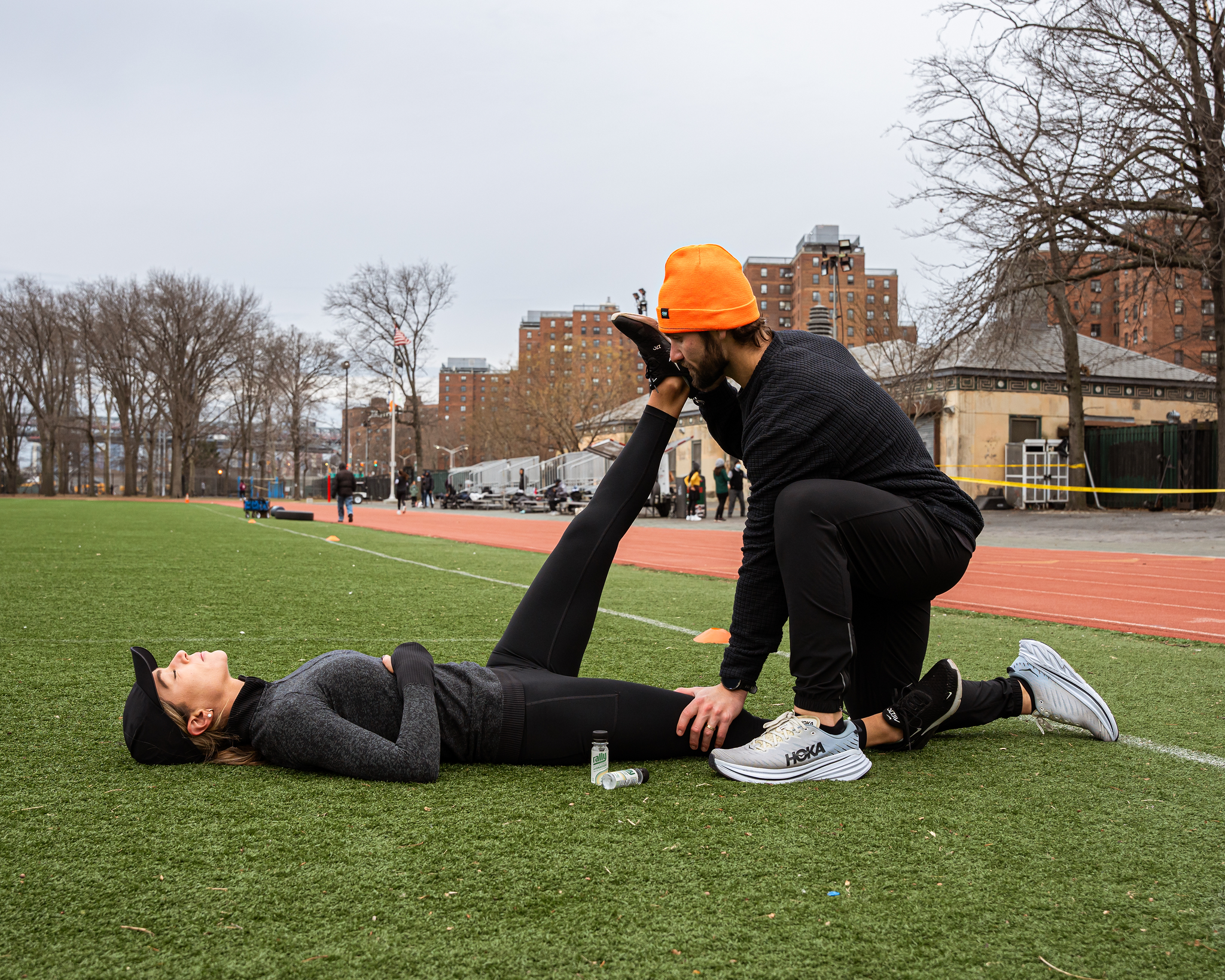
At first sign of a cramp: take a small dose (a “shot” amount), swish briefly, swallow. Give it a minute, then reassess. Pair it with the obvious: stop, breathe, gentle stretch, reset the intensity.
Full step-by-step protocol: What To Do When a Cramp Hits Mid-Workout.
Before exercise
If you cramp predictably (same mile, same workout), take a small dose shortly before the “danger zone.”
After exercise
After a sweaty session, a small electrolyte dose can be helpful as part of your recovery. If you use Rally post-workout, think of it as an electrolyte top-up alongside normal fluids (and food).
Pickle brine vs a measured shot
Jar brine can work. The main downside is consistency: sodium and ingredients vary a lot by brand, and dosing is usually a guess. A measured shot is mostly about repeatability and portability.
Safety and who should be cautious
Pickle juice is salty and acidic. Most healthy athletes do fine with small amounts, but a few common-sense notes:
- If you’ve been told to limit sodium (blood pressure, kidney issues), check with your clinician.
- If you’re prone to reflux, acidic products can be hit-or-miss.
- If cramps are frequent, severe, or paired with swelling, weakness, numbness, or one-sided pain, it’s worth getting checked out.
FAQ
Does pickle juice prevent cramps?
It can help some people, but prevention is usually about training load, heat management, pacing, fueling, and hydration. Pickle juice is more of an “in the moment” tool.
How fast can it work?
In the research model, the effect was rapid, supporting a reflex explanation rather than rapid electrolyte absorption.
Is it the sodium?
Not for the “fast relief” claim. Sodium matters over time, but the rapid effect isn’t well explained by electrolytes instantly hitting the bloodstream.
Is pickle juice better than magnesium for cramps?
Depends on the cramp type. Some cramps are more fatigue/heat/training related than “electrolyte related.”
How much should I take?
A small “shot” amount is the typical practical dose people use. If you’re using jar brine, consistency is the main variable.
Can kids use pickle juice?
Ask a pediatrician first. Sodium and acidity can be a bigger deal for kids than adults.
Should I use tonic water or quinine for cramps?
Skip self-medicating with quinine for leg cramps. The FDA has warned about serious risks when used for nocturnal leg cramps.
Conclusion
Pickle juice isn’t a miracle, but it’s also not pure placebo. The best read is: it may help shut down some cramps quickly via a reflex pathway, while hydration and electrolytes still matter for the bigger picture.
Author note: I built Rally because cramps are annoying and most “electrolyte” products are basically vibes. I like simple tools that do one job well.


